
The current pandemic is having a profound effect on our children’s mental well being. Continue reading “Nutrition For Anxious Children”
Feel Better Look Better Live Better – Whatever Your Age
The current pandemic is having a profound effect on our children’s mental well being. Continue reading “Nutrition For Anxious Children”
A few months ago I wrote about depression and made a video about it. Since then there’s been a lot of new research about the benefits of natural treatments for depression. I thought it would be a good idea to revisit the subject, especially in the light of the Covid pandemic and the resultant escalation of depression worldwide.
Continue reading “Natural Strategies For Coping With Depression”
Do you want to reduce your risk of the BIG C? The media is full of articles and programmes telling us that we need to clean up our diets, exercise more and lose weight. Increasingly, science is confirming this and is showing how making good lifestyle choices is vital to reducing our risk of many cancers. Continue reading “Lifestyle Choices Can Help Prevent Cancer”
Depression is a widespread issue that affects millions of people globally. While many experience temporary sadness, chronic depression can be debilitating. Understanding its causes, treatments, and alternatives is crucial for managing this condition effectively.
Depression is typically diagnosed through psychological testing, such as the Hamilton Rating Scale for Depression (HRS). However, these tests have limitations:
Despite this, treatment often focuses on managing symptoms rather than addressing underlying causes.
Antidepressants are the most common treatment, but their effectiveness and safety are increasingly questioned:
N.B. Please note that I’m not suggesting that you stop taking antidepressant medication if you are already on it. Always check with your medical professional before changing dosage or frequency of use.
The starting point is to realize that the responsibility for your health, physical as well as mental, lies with you and not with the medical profession. Just this realization, that you CAN do something about your situation can often lead to improvement. Having a good, hard look at your thinking patterns (negative or positive), diet and exercise habits, can lead to changes that will make profound differences in your well being.
Emerging research highlights the effectiveness of lifestyle changes and natural interventions in managing depression. Here are some evidence-based strategies:
What you eat directly impacts your brain health:
Regular physical activity is a powerful tool for combating depression:
Optimistic people generally suffer far less from depression than pessimists. By changing your thinking patterns (simple but not easy), you can radically change your mental state.
Some tips to help:
Exposure to natural sunlight has profound effects on mental health:
All of these factors – diet, controlling thinking and exercising are choices we can all make. The first step to defeating depression is realizing that you can do something to overcome it. By making good lifestyle choices and working to maintain a positive attitude you can go a long way to living a happy, vibrant, depression free life. The choice is yours.

Just how important a pregnant woman’s diet is has been dramatically highlighted in the last few years. A number of studies have shown that the baby’s DNA, immune system, future intelligence and even muscle strength are all influenced by what mom eats during pregnancy. It’s becoming all too clear that the future health of the next generation will be determined by the lifestyle choices of women today. In this article we’ll look at a number of recent studies and how women can use the findings to ensure that their babies get the best possible start in life. Continue reading “Mother’s diet influences baby’s brain and immune system development in the womb and beyond.”
Heart Disease – the world’s biggest killer
The world’s biggest killer, according to all the world’s major health authorities, is heart disease (HD). The World Health Organization (WHO) stated that in 2012 HD accounted for 3 out of every 10 deaths worldwide¹. Put another way, almost 1 out of every 3 people will die from HD.
This is aggravated by the fact that as a country’s GDP increases, so does the incidence of HD². This has dire consequences for developing countries like South Africa, India, China, etc. Deaths due to HD in low-income countries were 103/100,000 in 2011, while in high-income countries, it was 208/100,000, a +100% increase! This is because as people’s incomes go up, they tend to eat more processed and pre-prepared foods. These statistics confirm what every health authority states: that HD is primarily caused by lifestyle choices³. This means that changing our lifestyles changes our risk of HD.
What is amazing is that the medical profession generally ignores this and treats HD with drugs that aren’t that effective and have many nasty side effects. It’s often safer, and much cheaper, to use natural remedies to control cholesterol, blood pressure, and homocysteine, the major causes of HD⁴.
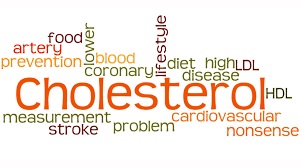
In this, the first in a series of 3 articles on HD, we’ll take a look at cholesterol.
Does cholesterol cause HD?
Cholesterol is touted as the mother of all evils according to modern medicine. For the last 40+ years, we’ve been told that cholesterol is the major cause of HD. We’ve been told that we eat too much cholesterol and that we need to cut out all fatty foods and only eat low-fat/no-fat processed foods. We need to check our cholesterol levels regularly and take statins (cholesterol-lowering drugs) if our blood cholesterol levels are even slightly elevated. In fact, one prominent doctor in the USA has suggested that every adult should take a statin as a preventative measure!⁵
The truth is that there are now a number of major studies worldwide6,7,8 that show that our diet has little to do with our blood cholesterol levels. Nor does cholesterol cause HD! In 20189 a major review of studies concluded that “In our analysis of three major reviews, that claim the cholesterol hypothesis is indisputable and that statin treatment is an effective and safe way to lower the risk of CVD, we have found that their statements are invalid, compromised by misleading statistics, excluding unsuccessful trials, minimizing the side effects of cholesterol lowering, and ignoring contradictory observations from independent investigators.”
Why this massive bombardment of (mis)information portraying cholesterol as bad? Well, quite simply, because cholesterol is a multi-billion-dollar business worldwide. Just think of all the cholesterol-lowering drugs prescribed annually, all the cholesterol tests, and all the low-fat/no-fat foods. All the margarines, cooking oils, mayonnaises, low-fat dairy products, diet drinks, and snacks, etc. All of these are huge money spinners, so we’ll keep on getting told that cholesterol is the evil that causes HD.
Let’s look at what we’ve been told about cholesterol. Specifically, that it clogs the arteries, raising blood pressure and increasing the risk of HD. If this were true, why are only the arteries around the heart affected? Why not all the arteries in the body and all the veins? How come surgeons are able to take ‘clean’ arteries out of someone’s leg to bypass the blocked arteries around their heart? It doesn’t make sense, does it?
What is actually happening is that the arteries become inflamed, causing them to swell and restricting blood flow. Science is telling us that this is caused by an imbalance in our omega-3/omega-6 ratios. This ratio should be 1:1, but in developed countries, eating ‘western diets,’ the ratio is 1:15/1:16.10 Omega-3 is anti-inflammatory, while omega-6 causes inflammation. Western diets contain masses of omega-6. It’s in all the plant oils (sunflower, canola, palm, etc.) that are found in just about every processed, packaged, and baked food. It’s also in all the maize derivatives like modified corn starch, high fructose corn syrup, etc., that are predominant ingredients in modern manufactured foods.
The body tries to protect the wall lining of the arteries using cholesterol. It’s actually using cholesterol as a ‘band-aid’ by laying down a protective layer of cholesterol over the inflamed areas. Currently, science isn’t quite sure why the arteries around the heart are the most susceptible to this inflammation, but they do know it’s happening.11 The question then is, does it make sense to treat the problem by trying to lower the cholesterol level? Surely it would be far more sensible to treat the cause of the problem, inflammation? One would think so, but something as simple as increasing the intake of omega-3 won’t make billions for the pharmaceutical, medical, and food industries.
The sensible thing to do is to improve our diets, eliminating the processed foods (all of which contain huge amounts of omega-6 as already mentioned) and increase our intake of omega-3 and antioxidants, which also combat inflammation.12
Are Statins the answer?
What about using statins to reduce cholesterol levels? Well, firstly, studies show that they only reduce the risk of HD by ±0.05%. Not much to get excited about! What most people aren’t aware of is how statistics are manipulated. For instance, a study published to prove the efficiency of a major statin stated that the drug reduced the risk of HD by 30%. What they didn’t mention is that the actual risk was reduced from 0.05% to 0.03%! This infinitesimal benefit can never counter all the negative side effects of taking the drug. Statins have horrendous side effects, including dizziness, muscle and joint pains, memory loss, swelling (inflammation! the cause of the problem in the first place!), reduced immunity, increased risk of type 2 diabetes, and cancer.13 In addition, studies show that they have little or no benefit the older one gets.14
On the other hand, there are literally thousands of studies showing the benefits of supplementing with omega-315,16 (a Google search of ‘omega-3 heart health’ yielded 13.5 million entries!), improving one’s diet, and increasing exercise levels. All of which are free of side effects and not expensive. The bottom line is, there is no longer any justifiable reason why anyone would take, or prescribe, statins as a remedy for HD.
What can we do?
Here are the basic things we can do to keep our hearts healthy and control our cholesterol levels:
For more information on health, go to the Health News page