Mother’s diet influences baby’s brain and immune system development in the womb and beyond.

Just how important a pregnant woman’s diet is has been dramatically highlighted in the last few years. A number of studies have shown that the baby’s DNA, immune system, future intelligence and even muscle strength are all influenced by what mom eats during pregnancy. It’s becoming all too clear that the future health of the next generation will be determined by the lifestyle choices of women today. In this article we’ll look at a number of recent studies and how women can use the findings to ensure that their babies get the best possible start in life. Continue reading “Mother’s diet influences baby’s brain and immune system development in the womb and beyond.”

Cancer – Part 2 (updated Jan 2025)

More people than ever before are surviving cancer today.

The aim, however, should be to do more than just survive but rather to thrive. Thriving starts by minimizing the negative effects of conventional cancer treatments, achieving remission, and then living a healthy, vibrant life thereafter.

Recent studies have explored the extent to which cancer may be influenced by lifestyle choices and environmental conditions. While some researchers suggest that modern lifestyle factors contribute significantly to the prevalence of certain cancers, the disease’s complexity underscores the interplay of genetic predisposition, environmental exposures, and individual behaviors. For instance, research published in “Nature Reviews Cancer” highlights that environmental factors such as tobacco use, diet, and exposure to carcinogens are major contributors to cancer risk, emphasizing the importance of preventive measures. Dr. Rachel Thompson of the World Cancer Research Fund remarked, “About one in three people in the UK will get cancer, so it is fairly commonplace in the modern world. Scientists now say a healthy diet, regular physical activity, and maintaining a healthy weight can prevent about 40% of the most common cancers.”1

It makes sense, therefore, to pay attention to lifestyle choices and environmental conditions if one has cancer, eliminating or minimizing those that negatively impact recovery chances. For more info on how lifestyle choices affect your cancer risk READ THIS

Empowering Your Immune System

We have all overcome cancer many times. Our immune system has protected us and will continue to do so, provided we give it the correct tools (nutrients) and conditions.

The biggest mistake a cancer patient can make is believing there’s nothing they can do to help themselves. The reality is that personal actions are more important than all the cancer treatments combined. This report provides proven strategies to help overcome cancer, achieve survival, and prevent recurrence.

Choosing the Right Care Team

Who you choose to treat you is as important as the treatment itself. Dr. Patrick Quillin, former Vice President of Nutrition for the Cancer Treatment Centers of America, has highlighted that complications from malnutrition contribute significantly to cancer-related mortality, a concern echoed in recent research. For instance, a 2023 study published in the “Journal of Oncology Nutrition” underscores the ongoing challenges of malnutrition among cancer patients, exacerbated by treatment-induced appetite loss and metabolic alterations. The study emphasizes the importance of nutritional interventions in improving outcomes for patients undergoing chemotherapy and radiation, which can cause severe appetite suppression and metabolic stress.2

Your body cannot fight back if it’s undernourished and your immune system is compromised. It is vital to receive super nutrition and choose a doctor willing to adopt a holistic approach, incorporating nutrition and supplementation alongside conventional treatments. Research supports that certain dietary and nutritional supplements can improve treatment outcomes and quality of life for cancer patients.

Changing the Conditions for Cancer

Cancer needs specific conditions to thrive: sugars, an acidic and anaerobic environment, and a compromised immune system.3 Altering these conditions increases the effectiveness of treatments and makes it harder for cancer to grow.

Mental Attitude Matters

Stress decreases the body’s ability to overcome disease by lowering the immune system. Emerging research suggests that a positive mental outlook may influence recovery outcomes, with recent studies highlighting links between mental well-being, stress management, and immune system functionality.4,5, Focusing on the good in life, practising gratitude, and fostering positive relationships can profoundly improve mental health and recovery.

Proven Strategies to Survive Cancer

1. Diet and Supplementation

Nourishing the body strengthens it to cope with cancer and treatments:

  • Eliminate harmful substances:
    • Refined sugars and high-fructose corn syrup feed cancer and suppress the immune system.
    • Avoid preservatives, additives, alcohol, caffeine, red meat, and processed foods.
  • Increase beneficial foods:
    • Fresh fruits and vegetables rich in carotenoids, flavonoids, and cruciferous compounds.6,7
    • Juicing or pureeing vegetables (e.g., carrot, beetroot, celery, apple) to maximize nutrient absorption.
    • Drink 2 liters of good quality water daily to flush toxins and hydrate cells.
    • Consume quality proteins (e.g., fish, legumes, free-range chicken) and whole grains.
    • Incorporate probiotic foods (e.g., yogurt, kefir, sauerkraut).
  • Supplementation: Use whole-food, organic supplements for vitamins, minerals, and phytonutrients. Research suggests supplementation can enhance conventional treatments without adverse effects.,8,9,10 For more on how supplementation can help you READ THIS

2. Reduce Toxins and Pollutants

  • Quit smoking and reduce alcohol, tea, coffee, and soft drinks.
  • Use natural deodorants and avoid chemical sprays.
  • Switch to stainless steel or glass cookware and avoid plastic containers.
  • Invest in a water purifier.

3. Increase Oxygen Levels

Cancer thrives in low-oxygen environments. Increase oxygenation through:

  • Deep breathing exercises.
  • Daily exercise, even light activity.
  • Supplementing with full-spectrum vitamin E to boost oxygen-carrying capacity.11

4. Balance pH Levels

Cancer thrives in acidic environments. Increase alkalinity by:

  • Eating more fruits and vegetables.
  • Drinking water with freshly squeezed lemon juice each morning.

Choosing the Right Treatment

Recent advances in oncology suggest that alternatives to traditional chemotherapy and radiation therapy are gaining traction, particularly the use of repurposed drugs. For example, ivermectin and fenbendazole, originally developed as antiparasitic agents, have shown potential anticancer properties in preclinical studies.12 These drugs are believed to interfere with cancer cell metabolism and proliferation, offering a promising adjunct or alternative to conventional treatments. Additionally, treatments like immunotherapy and targeted therapies are increasingly being tailored to individual patient profiles, providing more effective and less toxic options. Patients are encouraged to explore these alternatives with their healthcare providers, ensuring a treatment plan aligned with the latest research and their specific needs. For more info on alternative treatments and drugs look at the Resources below

Detoxification Post-Treatment

Chemotherapy and radiation leave toxic residues in the body, which can cause secondary cancers.13,14 Detoxifying the body after treatments is crucial, especially for children with developing immune systems.

Taking Control

Your survival depends largely on you. The more informed you are, the better decisions you can make. There is overwhelming evidence showing it is possible to survive cancer and live a healthy life. Choosing an oncologist who integrates diet, supplementation, mental attitude, and exercise alongside conventional treatments will give your body the best chance to thrive.

References

  1. https://www.verywellhealth.com/how-many-cancers-linked-to-modifiable-lifestyle-risk-factors-8690109
  2. https://pmc.ncbi.nlm.nih.gov/articles/PMC7694504
  3. Warburg, O. Science, vol. 123, no. 3191, pg 309, Feb 1956
  4. https://pmc.ncbi.nlm.nih.gov/articles/PMC1948078
  5. https://pmc.ncbi.nlm.nih.gov/articles/PMC6467795
  6. https://pmc.ncbi.nlm.nih.gov/articles/PMC10084981/
  7. https://aacrjournals.org/cancerpreventionresearch/article/3/7/818/49496/A-Novel-Mechanism-of-Indole-3-Carbinol-Effects-on
  8. https://nypost.com/2024/12/04/lifestyle/pancreatic-cancer-patient-survival-doubled-with-high-dose-of-common-vitamin-study-finds
  9. Medical Xpress on Fish Oil Benefits
  10. https://pmc.ncbi.nlm.nih.gov/articles/PMC8812486/
  11. https://pubmed.ncbi.nlm.nih.gov/26780276/
  12. https://covid19criticalcare.com/reviews-and-monographs/cancer-care/
  13. https://www.cancer.org/cancer/survivorship/long-term-health-concerns/second-cancers-in-adults/treatment-risks.html
  14. https://www.ncbi.nlm.nih.gov/books/NBK13999/
Recommended Reading
  • Prescription for Nutritional Healing, Phyllis A. Balch, 2006
  • Beating Cancer with Nutrition, Dr. Patrick Quillin, 2005
  • The Probiotic Revolution, Dr. Gary Huffnagle, 2007
  • The Rainbow Diet, Chris Woollams, 2008

Resources

Heart Disease -Part 2 (Updated Feb 2025)

Hypertension

High blood pressure, or hypertension (HT), remains one of the leading causes of death worldwide, earning its nickname as “the silent killer.” According to the World Health Organization (WHO), hypertension contributes to approximately 10.8 million deaths annually, making it a global public health crisis1. In the United States, the Centers for Disease Control and Prevention (CDC) reports that nearly half of adults (47%) have hypertension, and only about 1 in 4 have it under control2. These statistics are mirrored in other developed nations, and as low- and middle-income countries experience economic growth, the prevalence of hypertension is rising rapidly.

The Risks of Hypertension

Hypertension significantly increases the risk of severe health complications, including:

  • Heart attack
  • Angina (chest pain)
  • Stroke
  • Kidney failure
  • Peripheral artery disease

Recent studies have also linked hypertension to cognitive decline and dementia, highlighting the importance of early intervention and effective management.

Rethinking Hypertension Treatment

Traditionally, hypertension has been managed with medications such as beta-blockers, ACE inhibitors, and diuretics. However, growing evidence suggests that these drugs may not always address the root causes of high blood pressure and can come with significant side effects, including kidney damage, fatigue, dizziness, and sexual dysfunction. Moreover, research has shown that blood pressure fluctuates throughout the day, and a single reading may not provide an accurate picture of an individual’s cardiovascular health. Continuous blood pressure monitoring (ambulatory blood pressure monitoring) is now recommended for a more precise diagnosis.

Understanding Blood Pressure

To grasp how hypertension develops, it’s helpful to compare the circulatory system to an irrigation system. The heart acts as the pump, and the arteries and veins are the pipes. Just as an irrigation system delivers water and nutrients to crops, the circulatory system delivers oxygen and nutrients to cells.

Three things affect an irrigation system’s ability to perform efficiently:

1) the diameter of the pipes. The bigger the diameter, the easier it is to pump water through them.

2) the viscosity of the liquid being pumped. It’s obviously easier to pump water than it will be to pump syrup.

3) the height the pump has to raise the water, because it’s working against gravity.

These three key factors also influence blood pressure:

  1. Arterial Diameter: Narrowed arteries, due to inflammation or plaque buildup, force the heart to work harder. See Part 1 of this series on heart health for on this.
  2. Blood Viscosity: Thicker blood (often caused by dehydration or poor diet) increases resistance.
  3. Gravity: Inactivity reduces circulation, making it harder for blood to return to the heart.

When these factors are compromised, the body raises blood pressure to compensate. This is a natural response, but chronic elevation can lead to long-term damage.

The Problem with Medications

While medications can lower blood pressure, they often treat symptoms rather than underlying causes. For example:

  • Beta-blockers slow the heart rate but don’t address arterial inflammation.
  • Diuretics reduce fluid volume but can thicken blood, increasing strain on the heart.

Additionally, these drugs can have severe side effects, including kidney damage, fatigue, and increased risk of heart disease. This has led many to explore natural, holistic approaches to managing hypertension.

Natural Strategies to Lower Blood Pressure

  1. Dietary Changes
    • Reduce Omega-6 Intake: Omega-6 fatty acids, found in vegetable oils and processed foods, promote inflammation. Replace them with anti-inflammatory omega-3s (found in fatty fish, flaxseeds, and walnuts).
    • Increase Fiber Intake: A 2021 meta-analysis published in Hypertension3 found that increasing dietary fiber by 5 grams per day reduced systolic blood pressure by 2.8 mmHg and diastolic by 2.1 mmHg.
    • Limit Sugar and Refined Carbs: These contribute to weight gain and inflammation, exacerbating hypertension.
    • Incorporate Nitrate-Rich Foods: Beetroot juice, rich in nitrates, has been shown to lower blood pressure by 4-10 mmHg within hours of consumption, according to a 2023 study in Nutrition Reviews4.
  2. Weight Management
    • Excess weight strains the cardiovascular system and increases inflammation. The Nurses Health Study, the largest, longest ongoing study in the world, showed that every 4.5kg a woman gained increased her risk of HT by 20%5.
  3. Regular Exercise
    • Physical activity helps the heart overcome gravity, improves circulation, and reduces arterial stiffness. A 2023 study in Circulation found that 30 minutes of moderate exercise, 5 times a week, can lower systolic blood pressure by 5-8 mmHg6.
  4. Hydration
    • Drinking adequate water thins the blood, reducing resistance in the arteries. A 2020 study in Nutrients found that increasing daily water intake by 1-1.5 liters improved blood pressure in individuals with mild hypertension7.
  5. Supplements
    • Omega-3 Fatty Acids: A 2022 meta-analysis in JAMA Cardiology confirmed that omega-3 supplementation reduces systolic blood pressure by 2-4 mmHg8.
    • Vitamin E: This antioxidant helps thin the blood and reduce oxidative stress. A 2024 study in Current Vascular Pharmacology linked vitamin E supplementation to a significant reduction in blood pressure9.
    • Garlic: Allicin, the active compound in garlic, has been shown to lower blood pressure by 5-10 mmHg in a 2023 review in Phytotherapy Research10. Allicin produces the odour, so odourless supplements are not effective. Look for a supplement with a guaranteed allicin content and that has an enteric coating to prevent stomach acid from destroying the allicin.
    • Magnesium: A 2024 study in Hypertension found that magnesium supplementation can lower systolic blood pressure by 6.2% and diastolic by 5.6%11

The Role of Stress and Sleep

Emerging research highlights the importance of stress management and sleep in controlling blood pressure. Chronic stress activates the sympathetic nervous system, raising blood pressure. Techniques like mindfulness, yoga, and deep breathing have been shown to reduce systolic blood pressure by 4-5 mmHg. Additionally, poor sleep quality is strongly linked to hypertension. A 2023 study in Sleep Medicine found that improving sleep duration and quality can lower blood pressure by 5-7 mmHg12.

Conclusion

Hypertension is a complex condition that requires a multifaceted approach. While medications can be necessary in severe cases, lifestyle changes and natural interventions offer a safer, more sustainable way to manage blood pressure and reduce the risk of heart disease. By addressing the root causes—such as inflammation, poor diet, and inactivity—we can take control of our health and reduce our reliance on pharmaceuticals.

For more information on managing hypertension and improving cardiovascular health, visit our Health News page.


Updated References:

  1. World Health Organization (WHO). (2023). Global Report on Hypertension.
  2. Centers for Disease Control and Prevention (CDC). (2023). Hypertension Prevalence and Control.
  3. Hypertension Journal. (2021). “Dietary Fiber and Blood Pressure.”
  4. Nutrition Reviews. (2023). “Beetroot Juice and Nitrates in Hypertension Management.”
  5. The Lancet. (2022). “Weight Loss and Cardiovascular Health.”
  6. Circulation. (2023). “Exercise and Blood Pressure Reduction.”
  7. https://pubmed.ncbi.nlm.nih.gov/32340375/
  8. JAMA Cardiology. (2022). “Omega-3 Fatty Acids and Cardiovascular Health.”
  9. https://pubmed.ncbi.nlm.nih.gov/38693746/
  10. Phytotherapy Research. (2023). “Garlic and Allicin in Hypertension.”
  11. https://journals.lww.com/jhypertension/abstract/2024/09003 p174_magnesium_improves_metabolic_profile_and.271.aspx
  12. Sleep Medicine. (2023). “Sleep Quality and Blood Pressure.”

Heart Health – Part 3

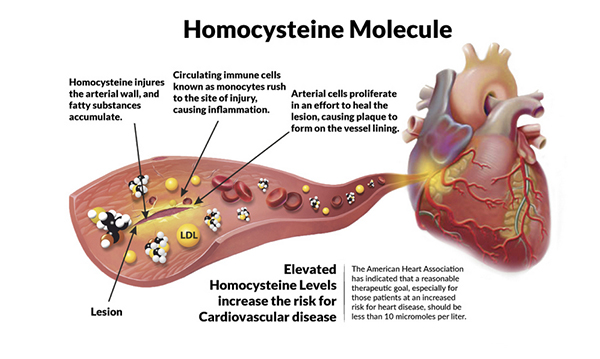
Homocysteine – the little known killer

 Few people are aware that Homocysteine, a blood amino acid, is far more likely to cause heart disease than cholesterol. In fact, a 2002 study published in the British Medical Journal found that a 5% increase in blood homocysteine levels increased the risk of heart attacks by 42%, strokes by 65% and deep vein thrombosis by 60%!1 Continue reading “Heart Health – Part 3”